


Why Clean Restrooms Matter in Commercial Buildings

A restroom can shape someone’s opinion of a building in less than a minute. If it smells clean, looks cared for, and has the right supplies, people rarely think twice. If it is dirty, out of soap, or poorly maintained, they remember it.
For commercial buildings, restrooms are more than a basic amenity. They affect health, comfort, tenant satisfaction, customer confidence, employee morale, and the overall reputation of the property. A spotless lobby may make a strong first impression, but a neglected restroom can undo it just as fast.
Clean restrooms in commercial buildings send a simple message: this place is managed well. That message matters to visitors, staff, tenants, vendors, and anyone else who walks through the doors.
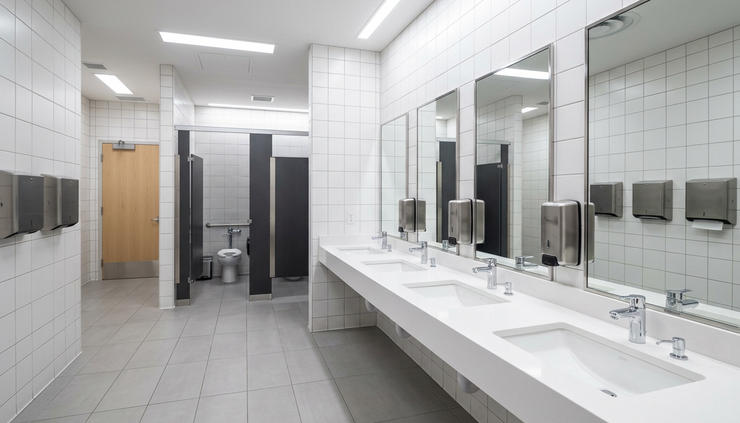
Restrooms influence how people judge the entire building
People use restrooms as a shortcut for judging cleanliness elsewhere. If the restroom is clean, they often assume the rest of the building is also cared for. If it is dirty, they may question the standards in other areas, even if they never see them.
This matters in many types of commercial spaces:
Retail centers
Medical and dental buildings
Fitness facilities
Restaurants and food service spaces
Warehouses and industrial sites
Schools and training centers
Multi-tenant properties
Entertainment venues
Hotels and event spaces
A restroom is one of the few areas almost everyone uses. It is also one of the most personal spaces in a shared building. That combination makes it highly visible, even when it sits out of sight.
A visitor might not notice polished floors or dust-free vents. They will notice an overflowing trash bin, a sticky floor, streaked mirrors, or an empty soap dispenser. Small details create a larger story about the building.
For property managers and companies, this means restroom care should not be treated as an afterthought. It should be part of the building’s daily presentation.
Clean restrooms help support health and hygiene
Restrooms are high-touch, high-traffic areas. Door handles, faucet controls, flush handles, stall locks, counters, dispensers, and hand dryers can all collect germs throughout the day. Regular cleaning helps reduce the buildup of dirt, grime, and contaminants on these surfaces.
Good restroom cleaning is not only about making the space look fresh. It helps support basic hygiene by keeping surfaces sanitary and supplies available.
A well-maintained restroom should include:
Stocked hand soap
Working faucets
Paper towels or functioning hand dryers
Toilet paper in every stall
Clean toilets and urinals
Empty or properly managed waste bins
Dry floors
Odor control
Clear access to sinks and handwashing areas
Hand hygiene depends on access. If soap is missing or dispensers are broken, people are less likely to wash their hands properly. If trash bins overflow, paper towels end up on counters or floors. If floors stay wet, the restroom becomes unpleasant and may create slip concerns.
Cleaning also needs the right sequence. A good process usually moves from cleaner areas to dirtier areas, uses separate tools where needed, and gives disinfectants proper contact time according to product instructions. Rushing through a restroom with one cloth and a strong-smelling spray does not equal real cleaning.
The goal is simple: remove visible soil, reduce germs on high-touch surfaces, and keep the room usable throughout the day.

Restroom condition affects employee comfort and productivity
Employees may spend most of the day focused on their work, but restroom conditions still affect their comfort. A dirty or understocked restroom can become a daily frustration. Over time, that frustration can chip away at morale.
No one wants to plan around a restroom that is often out of supplies. No one wants to avoid a facility because it smells bad or feels neglected. In workplaces with long shifts, customer-facing roles, or physically demanding tasks, clean restrooms are part of basic respect.
For companies, this can show up in practical ways. Employees may take longer breaks if they need to walk to another restroom. They may complain more often to managers or building staff. They may see poor restroom care as a sign that their comfort is not a priority.
Clean restrooms will not solve every workplace issue. Still, they help create a more comfortable and respectful environment. When restrooms are reliable, employees do not have to think about them. That is the point.
Customers and visitors connect cleanliness with trust
For customer-facing companies, restrooms can affect buying decisions and repeat visits. A clean restroom can reinforce trust. A dirty one can raise doubts.
This is especially true in places where cleanliness already plays a major role, such as restaurants, clinics, salons, gyms, childcare centers, and hospitality spaces. If a restroom looks neglected, people may wonder what they cannot see behind the scenes.
Even in buildings where customers do not stay long, restroom quality still matters. A client visiting a showroom, a patient waiting for an appointment, or a parent attending an event may form a quick opinion based on one restroom visit.
Restroom cleanliness can shape these impressions:
What people notice | What it may suggest |
Clean sinks and counters | Staff pay attention to detail |
Stocked soap and paper products | The building is checked often |
No lingering odors | Cleaning is consistent, not rushed |
Dry floors | Safety and upkeep are taken seriously |
Empty trash bins | The space is managed throughout the day |
A restroom does not need luxury finishes to make a good impression. It needs to be clean, stocked, functional, and checked often.
Poor restroom maintenance can create safety risks
Restrooms can become safety concerns when they are not maintained properly. Wet floors, leaks, loose fixtures, blocked stalls, exposed sharp edges, and overflowing bins can all create problems.
Water on the floor is one of the most common concerns. It may come from sinks, toilets, cleaning, leaks, or heavy traffic during bad weather. If staff do not spot and address it quickly, someone could slip.
Odors can also point to deeper issues. A temporary odor after heavy use is one thing. A persistent smell may signal poor ventilation, drain problems, infrequent cleaning, or buildup around fixtures. Masking odors with air freshener does not fix the source.
Neglected restrooms can also lead to damage. Moisture can harm grout, flooring, partitions, wall bases, and fixtures over time. Trash buildup can attract pests. Hard water stains and mineral deposits become harder to remove the longer they sit.
Routine restroom cleaning helps teams catch small issues early. A cleaner who checks the same space regularly may notice a slow leak, a loose dispenser, a clogged drain, or a damaged stall latch before it becomes a bigger repair.

A clean restroom depends on a clear maintenance plan
Restroom cleaning works best when it follows a plan. The right plan depends on building size, traffic, hours of operation, and the type of users in the space. A small professional building may need a different schedule than a busy retail center or medical facility.
A practical restroom maintenance plan should answer five basic questions.
How often should restrooms be checked
High-traffic restrooms may need checks several times a day. Lower-traffic buildings may only need scheduled cleaning before or after business hours, with a mid-day check for supplies.
The key is to match cleaning frequency to real use. If trash bins overflow by noon, the schedule is too light. If soap runs out often, checks are too far apart. If odors appear near the end of the day, fixtures may need more frequent attention.
What tasks happen during each visit
Not every restroom visit needs a full cleaning. Some checks are quick resets. Others are full service tasks.
A quick daytime check may include:
Restocking soap, toilet paper, and paper towels
Emptying trash if needed
Wiping counters and obvious spills
Checking toilets and urinals
Removing debris from floors
Reporting damage or plumbing concerns
A full cleaning should go further. It should include toilets, urinals, sinks, counters, mirrors, dispensers, partitions, walls near fixtures, floors, baseboards, and high-touch surfaces.
Which products and tools should be used
The right cleaning products matter. Restrooms may require disinfectants, bowl cleaners, glass cleaners, floor cleaners, odor control products, and specialized products for mineral buildup.
Tools matter too. Microfiber cloths, mop systems, brushes, gloves, and color-coded supplies can help prevent cross-contamination. For example, the cloth used around toilets should not be used on sink counters.
Cleaning teams should also follow label directions. Disinfectants often need to stay wet on a surface for a set time to work as intended. Spraying and wiping right away may not give the product time to do its job.
Who handles inspections
Inspections keep standards consistent. They do not need to be complicated. A simple checklist can help managers track whether restrooms meet expectations.
A restroom inspection can include:
Supplies are stocked
Toilets and urinals are clean
Sinks and counters are clean
Mirrors are free of heavy streaks
Floors are dry and clean
Odors are under control
Trash is managed
Fixtures are working
Damage is reported
When inspections happen regularly, cleaning becomes easier to manage. The building team can spot patterns instead of reacting to complaints.
How should issues be reported
A cleaning plan should include a clear system for reporting problems. Cleaners should know who to contact for plumbing issues, broken dispensers, lighting problems, vandalism, pest concerns, and supply shortages.
Fast reporting helps prevent repeat complaints. It also helps protect the building from avoidable damage.
The best restroom cleaning focuses on details people notice
A restroom can look clean at a glance but still feel neglected. Details make the difference.
People notice mirrors, faucets, soap dispensers, floors, stall doors, toilets, and odors. They also notice whether supplies are easy to find and use. A clean restroom should feel ready for the next person, not half-finished from the last one.
Some areas need special attention because buildup hides there:
Around the base of toilets
Behind fixtures
Under sink edges
Around faucet handles
On stall locks and handles
Near floor drains
Along grout lines
Around trash bins
On dispenser push plates
Odor control deserves special care. Strong fragrances can make a restroom feel less clean if they mix with unpleasant smells. The better approach is to clean odor sources, improve ventilation where possible, empty waste often, and use odor control products carefully.
Restrooms with heavy use may also need periodic deep cleaning. Regular daily cleaning keeps the space usable. Deep cleaning tackles buildup that daily work may not fully remove, such as grout discoloration, scale, residue behind partitions, and floor edges.
Clean restrooms protect the building’s reputation
Complaints about restrooms can travel quickly. A tenant may mention them in a renewal discussion. A customer may include them in a review. An employee may bring them up in a staff meeting. A visitor may simply choose not to return.
The reverse is also true. Clean, well-stocked restrooms rarely get praise, but they prevent negative attention. They support a building’s image in a quiet and steady way.
For property owners and companies, restroom care is part of brand experience, even when there is no logo on the wall. A clean restroom communicates care, order, and respect. A neglected one suggests the opposite.
That does not mean every restroom needs expensive upgrades. A dated restroom can still be clean. Good lighting, stocked supplies, fresh air, dry floors, and consistent cleaning will often matter more than premium finishes.

FAQ
How often should commercial restrooms be cleaned?
It depends on traffic. Busy restrooms may need several checks during the day plus a full cleaning after hours. Lower-traffic restrooms may need daily service with routine supply checks.
What areas are most important to disinfect?
High-touch surfaces need the most attention. These include door handles, stall locks, flush handles, faucets, dispensers, counters, and hand dryer buttons.
Why do restrooms still smell after cleaning?
Lingering odors can come from floor drains, grout, trash bins, poor ventilation, urine buildup around fixtures, or plumbing issues. Covering the smell is not enough. The source needs to be cleaned or repaired.
Should companies hire professional cleaners for restrooms?
Professional cleaners can help maintain consistent standards, especially in larger or high-traffic buildings. They bring training, supplies, schedules, and inspection routines that are hard to manage casually.
What is the simplest way to improve restroom cleanliness?
Start with frequent checks. Keep soap, toilet paper, and paper towels stocked, empty trash before it overflows, wipe visible messes quickly, and report repairs right away.

A cleaner restroom starts with a better routine
Clean restrooms do not happen by accident. They come from clear standards, regular checks, trained cleaners, proper supplies, and fast attention to repairs.
For commercial buildings, that routine pays off in many ways. It supports hygiene, improves comfort, reduces complaints, protects the property, and helps every visitor feel more confident in the space.
If restroom cleanliness has become a recurring concern, it may be time to bring in a team that treats it as a core part of building care. Learn more about commercial cleaning services from Clean Conscience Ltd. and how a consistent cleaning plan can help maintain a healthier, more welcoming building.


Comments