


2026 Commercial Cleaning Trends Every Business Should Know

Clean facilities have always mattered, but in 2026, “clean” means more than floors that shine and bins that are empty. It means safer indoor spaces, smarter use of labor, better reporting, greener products, and cleaning plans that fit how each facility is used.
Companies are also under more pressure to prove that cleaning is being done well. Employees notice restrooms, break rooms, and shared areas. Customers notice odors, dust, and high-touch surfaces. Facility managers notice rising labor costs, supply costs, and service gaps.
The best commercial cleaning programs in 2026 will not be built around doing more of the same. They will focus on cleaning with better timing, better data, and better standards.
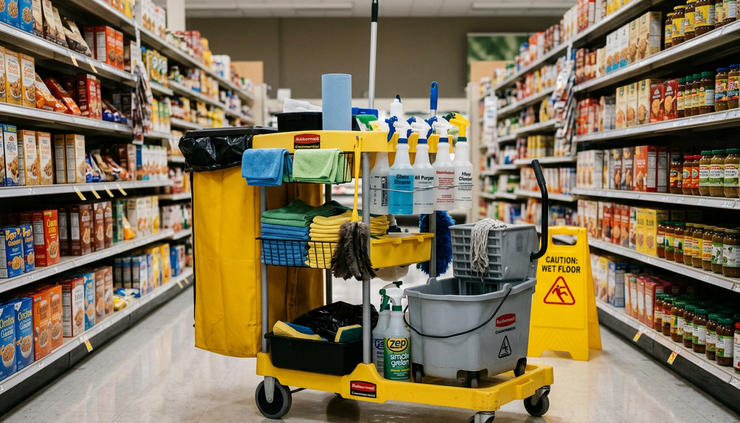
Health-focused cleaning is becoming the baseline
The biggest shift in commercial cleaning is that health is now part of the service expectation. Businesses are no longer asking only whether a space looks clean. They are asking whether the cleaning plan helps reduce germs, allergens, dust, and indoor air concerns.
That does not mean every facility needs hospital-level disinfection every night. It means cleaning teams need a clear plan for different risk areas.
High-priority areas often include:
Door handles and push plates
Restrooms and fixtures
Shared kitchens and break areas
Fitness and locker areas
Checkout counters and service counters
Handrails, elevator buttons, and touchscreens
The trend is moving away from random spraying and toward targeted cleaning. A good provider should know which areas need routine cleaning, which need scheduled disinfection, and which products are safe for the surfaces being treated.
This matters because overusing harsh disinfectants can damage materials, leave residue, and create air quality concerns. Underusing them can leave high-touch areas neglected. In 2026, the stronger approach is balanced: clean first, disinfect where needed, and document the process.
Green cleaning is shifting from nice-to-have to expected
Sustainability is no longer a side note in facility care. Many companies now ask what products are being used, how waste is handled, and whether cleaning methods support healthier indoor spaces.
Green cleaning in 2026 is less about vague claims and more about practical choices:
Concentrated products that reduce plastic waste
Microfiber systems that use less water and capture more soil
Low-odor products for occupied buildings
Safer chemical storage and labeling
Refillable dispensers where appropriate
Floor care methods that reduce water and chemical use
The key is performance. A green product still has to clean well. A sustainable process still has to protect the facility. The best cleaning plans will match product choice to the task, rather than using one “green” product for everything.
This is especially important in spaces with children, older adults, pets, food preparation, or people with sensitivities. In those settings, low-residue and low-odor products can make a real difference in daily comfort.
Companies should also expect clearer communication from cleaning providers. Product lists, safety data sheets, dilution practices, and disposal methods should be easy to review when requested.
Data and proof of service are becoming standard
For years, commercial cleaning was judged mostly by what people saw the next morning. If the floor looked good and the trash was gone, the job was considered done.
That is changing.
In 2026, more companies will expect some level of proof that work was completed. This does not need to be complicated. It can be as simple as digital checklists, inspection notes, issue logs, or photo records for specific tasks.
Useful cleaning data can answer questions such as:
Question | Why it matters |
Which areas were cleaned last night? | Confirms routine work was completed |
Which issues were reported? | Helps fix recurring problems |
How often are restrooms checked? | Supports better daytime service |
Which supplies run out fastest? | Improves ordering and reduces shortages |
Which spaces need extra attention? | Matches cleaning to real use |
Data also helps prevent misunderstandings. If a restroom keeps receiving complaints, notes may show that the issue is not nightly cleaning, but heavy daytime use, poor ventilation, or undersized dispensers.
Good reporting gives both the business and the cleaning provider a shared picture of what is happening. It makes service easier to adjust before small issues become bigger complaints.

Daytime cleaning is gaining ground
After-hours cleaning still works well for many facilities, but daytime cleaning is becoming more common. The reason is simple: some spaces get dirty long before closing time.
Busy restrooms, entrances, dining areas, clinics, schools, gyms, and retail spaces benefit from visible service during operating hours. A daytime cleaner can restock supplies, remove spills, wipe high-touch areas, and respond to problems before staff or customers complain.
There is also a comfort factor. When people see cleaning happening during the day, they often feel that the facility is being cared for. The work must be discreet, safe, and scheduled around traffic, but visible cleaning can build trust.
A blended schedule often works best:
Daytime touch-ups for restrooms, entrances, and high-use areas
Evening cleaning for full floor care, waste removal, and deeper tasks
Periodic project work for carpets, windows, tile, grout, and detailed cleaning
This approach helps companies avoid the all-or-nothing problem. Instead of expecting one overnight service to handle every cleaning need, the facility gets the right level of attention at the right time.
Labor shortages are changing cleaning plans
The cleaning industry continues to face staffing pressure. That affects scheduling, training, supervision, and service consistency. In 2026, companies will need to look beyond the lowest price and ask how a provider keeps good people and covers absences.
A reliable cleaning program depends on more than a task list. It needs trained staff, clear routes, fair workloads, and backup plans.
Signs of a stronger labor model include:
Consistent cleaners assigned to the same site when possible
Written task lists that match the time allowed
Supervisor inspections
Clear communication for service changes
Safety training for chemicals, equipment, spills, and lifting
Backup staff for illness, vacation, and turnover
Labor pressure also means building owners should be realistic about scope. If a cleaning plan promises too much for too little time, quality will drop. Corners get cut when cleaners are rushed.
The better trend is right-sized cleaning. That means setting priorities, measuring square footage and traffic realistically, and deciding which tasks happen daily, weekly, monthly, or seasonally.
Automation is helping, but it is not replacing people
Robotic floor scrubbers, sensor-based dispensers, auto-dilution systems, and smart equipment are becoming more common. These tools can help teams cover large spaces, reduce repetitive strain, and track certain tasks.
The biggest growth will likely be in facilities with wide open floor areas, such as:
Warehouses
Grocery stores
Large retail locations
Airports and transportation hubs
Schools and recreation centers
Manufacturing facilities
Automation works best when it supports people. A robotic scrubber may handle a long corridor or open floor area, but a trained cleaner still handles corners, restrooms, spills, detailed dusting, and judgment calls.
The same is true for sensors. A paper towel dispenser may show when it is low, but someone still has to respond, clean the area, and notice related problems.
In 2026, the practical question is not whether a cleaning company uses technology. The better question is whether the tool actually improves service at the site.

Indoor air quality is becoming part of the cleaning conversation
Cleaning and indoor air quality are closely connected. Dust, pollen, residue, moisture, and poor ventilation can all affect how a building feels.
Commercial cleaners do not replace HVAC professionals, but they play a role in reducing dust and contaminants that settle on surfaces. In 2026, expect more companies to ask about dust control, vacuum filtration, matting, and cleaning methods that avoid stirring particles into the air.
A stronger air-quality-focused cleaning plan may include:
HEPA-filtered vacuums where appropriate
Regular high-dusting of vents, ledges, and light fixtures
Better entrance mat programs to trap soil and moisture
Damp wiping rather than dry dusting in sensitive areas
Careful product selection to reduce strong odors
Clear procedures for moisture and spill response
Entrance areas deserve special attention. A large amount of soil enters buildings on shoes, carts, and deliveries. Good matting and regular vacuuming can reduce the amount of grit, dust, and moisture carried through the facility.
This trend also connects to floor lifespan. Less tracked-in grit means less abrasion, fewer scratches, and fewer floor care problems.
Customized cleaning schedules are replacing generic checklists
A school, a medical clinic, a warehouse, a retail store, and a restaurant do not need the same cleaning plan. Even two facilities in the same industry can have different needs based on traffic, hours, layout, flooring, and weather.
Generic checklists are fading because they miss too much. In 2026, companies will expect more tailored programs.
A customized cleaning plan should account for:
Facility type
Traffic patterns
Public and staff-only areas
Seasonal soil, snow, rain, pollen, or dust
Flooring materials
Restroom count and use
Food service areas
Security and access rules
Compliance needs
Budget priorities
For example, a retail store may need frequent entrance cleaning during wet weather, while a warehouse may care more about dust, floor safety, and break room hygiene. A fitness facility may need stronger attention to locker rooms, mats, and touchpoints.
The goal is not to make cleaning complicated. The goal is to stop wasting time on low-priority work while high-priority areas fall behind.
Supply management is becoming part of facility reliability
Toilet paper, soap, sanitizer, liners, paper towels, and odor control products may seem like small details until they run out. Then they become a customer service issue.
More cleaning providers are helping companies manage consumables as part of the service. This can reduce emergency supply runs, storage clutter, and confusion about who orders what.
A well-managed supply process includes:
Tracking usage patterns
Keeping reasonable backup stock
Using compatible dispensers
Reducing product waste
Reporting damaged or empty dispensers
Planning for seasonal changes or events
This trend is closely tied to data. If a facility knows which products run out fastest and where, it can adjust dispenser size, refill frequency, or ordering levels.
It also supports cost control. Waste often hides in small places, such as overfilled liners, poor dilution, disposable products used too quickly, or supplies stored in too many areas.
Safety and compliance will get more attention
Cleaning affects safety every day. Wet floors, unlabeled chemicals, blocked exits, poor lighting, and missed spills can all create risk.
In 2026, companies will look more closely at whether cleaning teams follow safe procedures. This includes both worker safety and facility safety.
Practical safety expectations include:
Proper wet floor signs
Correct chemical labels
Safe dilution practices
Personal protective equipment when needed
Locked storage for certain products
Spill response procedures
Equipment maintenance
Reporting hazards quickly
Industry-specific requirements also matter. Food service, healthcare, childcare, manufacturing, and fitness facilities may need special procedures. A cleaning company should understand the environment before assigning tasks or products.
Safety is also a training issue. Even good products and equipment can cause problems when used incorrectly. Regular training helps cleaners work faster, safer, and with fewer mistakes.
What companies should ask cleaning providers in 2026
The right questions can reveal whether a provider is prepared for the way commercial cleaning is changing.
Ask questions such as:
How do you decide cleaning frequency for different areas?
What high-touch points are included in routine service?
Can you provide inspection notes or service records?
What products do you use, and why?
How do you train cleaners on chemical safety?
What happens if a cleaner is absent?
Do you offer daytime cleaning or porter services?
How do you handle complaints or service changes?
Can you support supply ordering and restocking?
10. How often do supervisors visit the site?
The answers should be clear. If a provider cannot explain the plan, the products, or the quality checks, the service may rely too much on guesswork.
FAQ
How often should a commercial space be professionally cleaned?
It depends on traffic, facility type, and risk areas. Many businesses need daily cleaning for restrooms, waste, and high-touch surfaces, with deeper cleaning scheduled weekly, monthly, or seasonally.
Is green cleaning as effective as traditional cleaning?
Yes, when the right products and methods are used for the task. Green cleaning still needs proper dwell time, dilution, equipment, and training to work well.
Are robotic cleaners worth it for smaller facilities?
They usually make the most sense in larger open areas. Smaller facilities may get better value from strong scheduling, trained cleaners, and better inspection routines.
What is the biggest cleaning mistake companies make?
One common mistake is using a generic scope of work. Cleaning plans should match how the building is actually used, not just its square footage.
Should cleaning happen during business hours?
Daytime cleaning can help in high-traffic spaces, especially restrooms, entrances, and shared areas. Many facilities benefit from a mix of daytime touch-ups and after-hours cleaning.

Build a cleaning plan that fits 2026
The main lesson from these trends is simple: commercial cleaning is becoming more planned, more visible, and more accountable. A basic checklist may still cover the surface, but it will not always meet the needs of a busy facility.
The strongest programs in 2026 will include:
Health-focused cleaning for high-touch and high-use areas
Greener products with clear safety practices
Service records and inspections
Daytime support where traffic demands it
Realistic staffing and backup plans
Smart use of equipment and automation
Better dust control and indoor air support
Custom schedules based on the facility
For companies reviewing their current service, this is a good time to ask whether the cleaning plan still fits the building. If the answer is unclear, the plan probably needs an update.
To learn more about professional cleaning support, visit Clean Conscience Ltd.’s commercial cleaning company page.
A cleaner facility is not only about appearance. It supports safety, comfort, trust, and smoother daily operations. In 2026, the businesses that treat cleaning as a planned facility service will be better prepared for the expectations ahead.


Comments