


How to Choose the Right Commercial Cleaning Company for Your Business

A cleaning company can look great on paper and still be the wrong fit. Missed tasks, poor communication, inconsistent staff, or unsafe product use can turn a simple facilities decision into a recurring problem.
The right provider does more than empty bins and mop floors. They protect the condition of the workplace, reduce complaints, support health and safety expectations, and make the building feel ready for staff, clients, customers, and visitors.
Choosing well starts with knowing what to ask, what to verify, and what a professional cleaning partner should be able to prove.
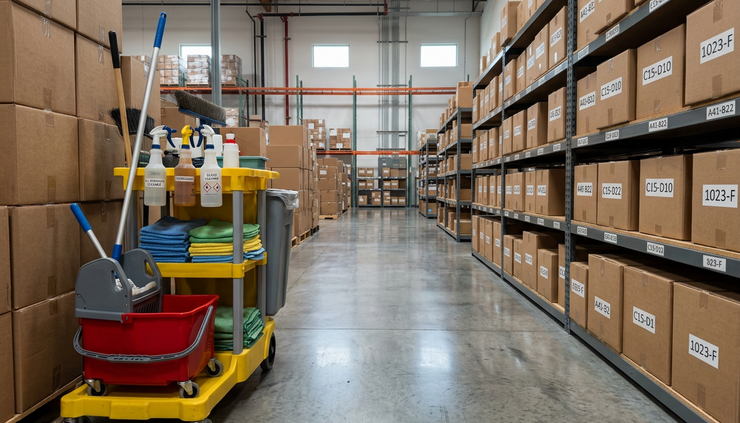
Start with a clear picture of what needs to be cleaned
Before comparing companies, define the work. A vague request for “regular cleaning” leaves too much room for different assumptions. One company may price basic tasks only. Another may include detail work, high-touch disinfection, floor care, and restocking supplies.
Walk through the building and make notes by area. Separate daily tasks from weekly, monthly, and seasonal needs.
Common areas to review include:
Entrances, lobbies, and reception areas
Washrooms and locker rooms
Breakrooms, kitchens, and food prep areas
Production areas, warehouses, or loading bays
Classrooms, treatment rooms, or customer-facing spaces
Windows, glass partitions, and doors
Floors, carpets, baseboards, and stairwells
Waste, recycling, and compost stations
Also think about when cleaning can take place. Some facilities need after-hours service. Others require daytime porters, shift cleaning, or weekend deep cleaning. If the building has security procedures, access cards, alarms, or locked zones, include those details early.
A strong cleaning company will ask for this information before quoting. If a provider gives a firm price without seeing the site or asking detailed questions, that is a warning sign.
Match the company to your type of facility
Commercial cleaning is not one-size-fits-all. A medical clinic, restaurant, warehouse, retail store, and multi-tenant building have different risks and routines.
The best provider for a small storefront may not be ready for an industrial site. A team that cleans warehouses may not understand the level of detail needed in a childcare centre. Fit matters.
Look for experience with buildings like yours. Ask direct questions:
Have they cleaned similar facilities before?
Do they understand industry-specific rules or sensitivities?
Can they work around operating hours without disrupting staff or customers?
Do they know how to handle flooring, equipment, or surfaces common in your space?
Can they scale service during busy seasons or special projects?
For example, a restaurant needs careful attention to grease-prone surfaces, odour control, and food-safe practices. A warehouse may need dust management, floor scrubbing, and safe movement around equipment. A health-related setting demands strict attention to touchpoints, product use, and cross-contamination practices.
Relevant experience reduces the learning curve and helps prevent costly mistakes.
Check insurance, licensing, and safety procedures
Trust alone is not enough when a cleaning crew works inside a business after hours. A professional company should carry proper insurance and be able to provide proof when asked.
At minimum, ask about:
Commercial general liability insurance
Workers’ compensation coverage, where applicable
Bonding or employee dishonesty coverage
Business licensing requirements in your area
Safety training and hazard reporting procedures
Insurance protects both sides if property gets damaged or someone gets hurt. Workers’ compensation coverage shows the company takes responsibility for its own team. Bonding can add another layer of protection when cleaners have access to locked areas, inventory, equipment, or sensitive spaces.
Safety practices matter as much as paperwork. Ask how the company trains staff on chemical use, wet floor signage, ladder safety, sharps or biohazard handling, and incident reporting. The answer should be clear and practical, not vague.
A good provider should also understand Safety Data Sheets, product labelling, and safe storage. If cleaning products will be kept on-site, confirm where and how they will be stored.

Ask how staff are trained and supervised
A cleaning contract is only as good as the people doing the work. Even a well-written scope can fall apart if staff are rushed, untrained, or left without supervision.
Ask how the company hires, trains, and supports its cleaners. You do not need every internal detail, but you should understand the basics.
Good questions include:
Are background checks used where appropriate?
How are new cleaners trained before working alone?
Does the company use checklists for each site?
Who inspects the work?
How often does a supervisor visit?
What happens if the regular cleaner is away?
How are complaints handled?
Consistency is one of the biggest reasons companies change cleaning providers. A building may look great for the first two weeks, then slowly decline. Strong supervision helps prevent that drop-off.
Look for signs of a real quality control system. This may include site checklists, photo verification, supervisor walk-throughs, client feedback forms, or regular account reviews.
The company should also have a clear point of contact. If no one owns the relationship, small issues tend to repeat.
Compare scope, not just price
The lowest quote is not always the best value. Cleaning prices depend on labour time, task frequency, products, equipment, travel, supervision, and risk. A lower price may mean fewer tasks, shorter visits, less experienced staff, or no quality checks.
When reviewing proposals, compare them line by line. Make sure each company is pricing the same work.
What to compare | Why it matters |
Task list | Shows exactly what will and will not be done |
Cleaning frequency | Prevents confusion over daily, weekly, and monthly work |
Labour hours | Helps reveal whether the quote is realistic |
Supplies included | Clarifies who provides paper products, soap, liners, and chemicals |
Equipment included | Shows whether floor machines, vacuums, and specialty tools are covered |
Supervision | Explains how quality will be checked |
Extra services | Identifies what costs more, such as carpet cleaning or window washing |
A good proposal should be specific. It should state what areas are included, how often key tasks happen, and what services fall outside the base price.
Be cautious with unclear wording such as “clean as needed” or “general cleaning throughout.” Those phrases can cause problems later because both sides may define them differently.
Review communication and response time
Cleaning often happens when managers are not on-site, so communication becomes essential. Problems should not require repeated follow-ups.
Pay attention from the first interaction. Does the company respond on time? Do they ask thoughtful questions? Do they confirm details in writing? Do they explain their process clearly?
The way a provider handles the sales process often reflects how they will handle service after the contract starts.
Strong communication includes:
A named contact person
Clear service schedules
Written scopes and updates
Fast response to missed tasks
A process for urgent requests
Regular check-ins or inspections
No cleaning company will be perfect every night. What matters is how quickly they correct issues and whether they prevent the same problem from happening again.
Look for a practical approach to supplies and sustainability
Many companies now care about product safety, indoor air quality, allergies, waste reduction, and environmental impact. A cleaning partner should be able to explain what products they use and why.
That does not mean every job requires premium green-certified products. It means the provider should choose products that fit the facility, the surfaces, and the level of cleaning required.
Ask about:
Low-odour options
Disinfectants and dwell times
Floor care products
Paper product sourcing
Refillable dispensers
Microfiber cloth systems
Waste and recycling support
The company should avoid mixing chemicals improperly and should never use harsh products where they are not needed. More chemical does not mean cleaner. Correct product use, contact time, and method matter more.
If sustainability is part of your company policy, include it in the request for proposal. That makes expectations clear from the start.

Read reviews, but ask for references too
Online reviews can help you spot patterns, but they should not be the only proof. A few reviews may not tell the full story, especially for companies that mostly serve long-term commercial contracts.
Look for repeated themes. Positive signs include reliability, good communication, consistent results, and responsive management. Red flags include missed visits, billing surprises, poor follow-up, or high staff turnover.
Ask for references from clients with similar facilities. A useful reference can answer questions such as:
Has the company been reliable over time?
How do they handle problems?
Are supervisors involved?
Has cleaning quality stayed consistent?
Would the client hire them again?
A cleaning company that does good work should be comfortable providing references, while respecting client privacy.
Understand the contract before signing
A cleaning agreement should protect both the client and the provider. Read it carefully before approving service.
Key items to review include:
Start date and service days
Areas included and excluded
Detailed cleaning scope
Monthly price and payment terms
Supply responsibilities
Terms for extra work
Notice period for changes or cancellation
Insurance requirements
Security and access procedures
Performance review process
Pay close attention to cancellation terms. Long contracts are not always bad, but they should come with clear performance expectations. If service quality drops, there should be a reasonable way to address it.
It can also help to begin with a trial period or a shorter initial term. This gives both sides time to confirm the scope, timing, staffing, and building needs.
Watch for red flags during the selection process
Some warning signs appear before service begins. Do not ignore them.
Be careful if a company:
Gives a quote without asking about square footage, tasks, or frequency
Cannot provide proof of insurance
Avoids questions about training or supervision
Promises unusually low pricing without explaining the scope
Uses vague contract language
Has poor communication before the sale
Cannot explain product safety
Pushes for a rushed decision
Has no clear process for complaints
A professional cleaning company should welcome questions. Their answers should make the decision easier, not more confusing.
Build the relationship after hiring
Choosing the right provider is the first step. Keeping the service on track takes communication, feedback, and clear expectations.
Start with a walk-through before the first clean. Show the team key areas, locked rooms, alarm procedures, supply locations, problem spots, and any surfaces that need special care.
During the first few weeks, review the work closely. Share feedback early, while routines are still being set. Be specific. “The breakroom tables need to be wiped every visit” is more useful than “The kitchen does not look good.”
A strong cleaning partner will adjust quickly and document changes. Over time, the goal is a predictable routine where cleaning happens without constant oversight.
FAQ
How often should a business schedule commercial cleaning?
It depends on traffic, building use, industry, and hygiene needs. Many workplaces need daily cleaning for washrooms, waste, and high-touch areas. Lower-traffic spaces may only need full service a few times per week, with periodic deep cleaning.
What should be included in a commercial cleaning quote?
A quote should include the task list, cleaning frequency, service areas, supplies, equipment, price, payment terms, and extra service rates. It should also explain how quality will be checked.
Is the cheapest commercial cleaning company a bad choice?
Not always, but a very low price can signal limited labour time, fewer tasks, or weak supervision. Compare the full scope before deciding. The best value usually comes from reliable service at a fair and realistic price.
Should cleaning products be supplied by the business or the cleaning company?
Either option can work. Many cleaning companies provide chemicals and equipment, while the business supplies consumables such as paper towels, toilet paper, and hand soap. The agreement should state this clearly.
How can a business tell if cleaning quality is slipping?
Common signs include recurring dust, overflowing bins, odours, dirty touchpoints, washroom complaints, and tasks that seem inconsistent. Use a written checklist and report issues quickly so the provider can correct them.

Choose a company that makes cleanliness predictable
The right commercial cleaning company should make the building easier to manage. They should understand the facility, price the work clearly, train their team, communicate well, and fix issues without repeated reminders.
Take time to define the scope, compare proposals carefully, and ask direct questions about insurance, training, supervision, products, and contracts. A careful selection process now can prevent months of frustration later.
If you are comparing providers and want to learn more about a professional cleaning team, visit Clean Col’s commercial cleaning company page to see how they approach service, quality, and client care.


Comments